

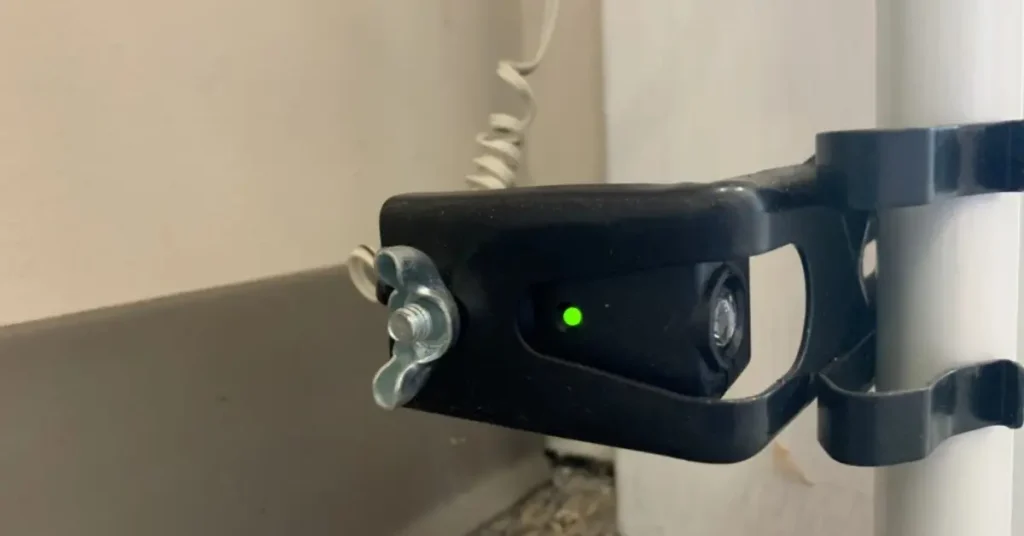
Your garage door opens and closes multiple times every day. But have you thought about what stops it from closing on your car, pet, or kid? That’s where garage door safety sensors come into play. These small devices sit near the bottom of your door tracks. They create an invisible beam that stops the door when something crosses it. Pretty important stuff, right? In this guide, I’ll explain how these sensors work and what to do when problems pop up.
What Are Garage Door Safety Sensors and Why They Matter
Garage door safety sensors are small electronic devices mounted on each side of your door. They sit about six inches off the ground on a bracket. One sensor sends out an infrared beam across the opening. The other sensor receives that signal. When something breaks the beam, your door stops and reverses automatically.
I’ve worked on hundreds of systems over the years. These little devices save lives every single day. Before garage door safety sensors became mandatory, accidents happened way too often. Now they’re required on all automatic garage door opener systems sold in the country. They’re a small component that makes a massive difference for your family’s protection.
A Brief History of Garage Door Safety Technology
Here’s something interesting about the brief history of garage door technology. Before 1993, automatic doors didn’t require any safety features at all. That changed after too many tragic accidents involving children. The U.S. Consumer Product Safety Commission stepped in with new regulations.
This rule changed everything about garage safety forever. Companies like Genie garage door openers manufactured better systems with improved sensor technology. The photo eye system became the industry standard. It’s still what we install today. Every garage door opener safety sensor system follows these guidelines now. You simply can’t purchase an opener without these protective features built right in.
How Garage Door Sensors Work with Your Opener
Your garage door opener and sensors work together as a team. The opener controls the motor that raises and lowers the heavy door. The sensors act as your safety net during operation. When you press the button to close your door, the sensors check if the path is clear first. If anything blocks the beam, they signal the motor to stop immediately.
The system is actually pretty simple once you get it. The sending sensor has a small LED light that’s usually amber colored. The receiving sensor shows green when everything lines up correctly. When both lights stay solid, your garage door safety sensors are ready for action. Any flickering usually means alignment needs attention right away.

Understanding the Photo Eye and Infrared Beam
The photo eye is just another name for your door safety sensors. Each unit contains a small infrared light inside. One sensor sends out the sensor beam continuously. The other catches it on the opposite side. This invisible infrared line stretches across your entire door opening.
The bracket holding each sensor must stay perfectly aligned to function. Even a small bump can knock things off track. I’ve seen cases where a rake or a bike knocked a sensor crooked. Your garage doors won’t close properly until you fix that alignment issue. It’s the safety feature doing exactly what it’s designed to do.
Common Sensor Problems and Troubleshooting Tips
Let’s talk troubleshooting when things go wrong with your system. The most common issue is dirty sensor lenses. Dust, cobwebs, and grime build up over time. A quick wipe with a soft cloth usually solves this fast. Another frequent problem involves misalignment from daily vibrations or accidental bumps.
Here are the most common sensor problems I run into:
- Dirty or dusty photo eye lenses
- Misaligned brackets from bumps or vibrations
- Damaged wiring from pests chewing through cables
- Direct sunlight interference during the afternoon hours
- Moisture damage from rain or humidity
These issues account for most of my service calls, honestly. The good news is that many are simple fixes you can handle yourself.
When Garage Door Safety Sensors Malfunction
When sensors malfunction completely, your door usually refuses to close. It might start moving down, then reverse back up immediately. This feels frustrating, but it means the safety system is actually working correctly. The garage door safety sensors think something is blocking the path.
Start with the basics during your troubleshooting process. Clean both lenses thoroughly first. Check the alignment on each sensor bracket. Look for visible damage to any exposed wires. Make sure nothing is physically blocking the beam path. If problems continue after these steps, you might need professional garage door repair help. Sometimes internal components simply wear out after years of daily use.
Garage Door Sensor Replacement and Repair Basics
Sometimes, garage door sensor replacement becomes the only real solution. These components don’t last forever, unfortunately. After about 10-15 years, they start failing more frequently. You’ll notice issues popping up even after proper troubleshooting efforts. At that point, fresh sensors make the most sense.
If you’re handy with tools, DIY replacement is possible. The process involves disconnecting old units and mounting new ones. However, I always recommend professional installation for this job. Proper alignment is absolutely crucial for garage door safety sensors to protect your family. Plus, technicians can inspect your entire system during the visit. We often catch other developing issues that save customers money later.
Keeping Your Garage Door Safety Sensors in Top Shape
Taking care of your garage door safety sensors requires minimal effort, honestly. Clean them monthly using a soft, dry cloth on both lenses. Test them weekly by placing an object in the door’s path during closing. The door should reverse immediately every single time. Check those LED lights regularly to confirm alignment stays true.
Your garage door system deserves consistent attention throughout the year. The sensors are just one piece of a complex mechanical setup. Everything works together to protect your family and belongings daily. When something seems off, don’t just ignore the warning signs. Whether you handle basic troubleshooting yourself or call in professionals, staying proactive always pays off. Regular maintenance keeps your garage door safety sensors working reliably for years ahead.
FAQ
Q: How do I know if my garage door safety sensors are bad?
A: Look at the LED lights on each sensor unit. Solid lights mean proper alignment and function. Flickering or no lights usually indicate problems. Also, watch your door’s behavior closely. If it reverses immediately after starting to close, sensors might be failing. Try cleaning the lenses and checking alignment first. Persistent issues after troubleshooting suggest replacement might be needed soon.
Q: Can I bypass my garage door safety sensors temporarily?
A: Technically, yes, but I strongly advise against it. These sensors exist to prevent serious injuries and accidents. Bypassing them removes critical protection for your family and pets. If sensors cause problems, fix them properly instead. Most issues resolve with simple cleaning or alignment adjustments. The temporary inconvenience isn’t worth risking someone getting hurt.
Q: Why do my sensors work sometimes but not others?
A: Intermittent problems often come from sunlight interference during certain hours. Direct afternoon sun can overwhelm the infrared beam signal. Loose wiring connections also cause inconsistent operation. Vibrations from the door’s movement gradually loosen things over time. Check wire connections and consider adding sensor hoods to block direct sunlight.
Q: How much does garage door sensor replacement cost?
A: Sensor replacement typically costs between $85 and $175, including parts and labor. The sensors themselves run about $30 to $50 for a quality pair. Professional installation adds labor costs but ensures proper alignment. Some technicians include sensor replacement in broader maintenance packages. Always get a clear estimate before approving any work.
Q: Can rain or humidity damage my garage door sensors?
A: Yes, moisture can definitely cause sensor problems over time. Most sensors have some weather resistance but aren’t fully waterproof. Heavy rain, splashes, or flooding can damage internal components permanently. High humidity causes corrosion on electrical connections gradually. Consider adding protective covers if your sensors face frequent moisture exposure.
Q: How often should I test my garage door safety sensors?
A: I recommend testing them at least once per month for peace of mind. Place a cardboard box or similar object in the door’s path. Press your remote to close the door completely. It should reverse immediately upon detecting the obstruction. If the door touches the object before reversing, your sensors need attention right away.