


We’ve all been there. You’re running late for work, and your garage door won’t budge. Before you panic, take a breath. Many garage door motor problems have simple fixes you can try yourself. I’ve worked on hundreds of these systems over the years. Most issues come down to a few common culprits. This guide walks you through the top troubleshooting tips I use every day. You might save yourself a service call and get back on the road fast.
Problem 1: Your Garage Door Motor Won't Turn On
Nothing happens when you press the button. No lights, no sounds, just silence. This is actually one of the easier problems to solve. Start by checking if your garage door motor is plugged in. It sounds obvious, but cords get knocked loose all the time. I can’t tell you how many service calls end with a simple plug-in fix.
Next, head to your electrical panel and look for tripped breakers. A tripped circuit breaker is a common reason the motor loses power completely. Reset it and try again. If that doesn’t work, test the outlet with another device like a lamp. Sometimes the outlet itself has failed. I’ve seen homeowners replace entire units when a simple outlet swap fixed everything. Always start with the basics first.
Problem 2: The motor runs, but the Door Won't move.
You hear the motor humming, but the door stays put. This usually points to a disconnect issue somewhere in the system. Check the emergency release cord hanging from the track. Someone might have pulled it by accident during a power outage. Simply reconnect it to restore normal operation. This takes about two minutes once you know what to look for.
If that’s not the problem, the drive gear inside your garage door motor could be worn out. This happens after years of heavy use. The motor spins, but nothing engages to move the door up or down. I’ve replaced countless gears over my career. Fixing this requires some mechanical skill and specific parts. For most homeowners, calling a technician makes sense here.
Problem 3: Strange Noises From Your Garage Door Opener
Grinding, squealing, or rattling sounds are never good signs. These noises tell you something needs attention right away. Often, the issue is simply a lack of lubrication. Moving parts need regular greasing to work smoothly and quietly. This is an easy fix that takes just minutes to complete.
Grab some garage door lubricant and apply it to the rollers, hinges, and springs. Avoid using WD-40 since it’s not designed for this specific job. If the grinding continues, worn gears inside your garage door motor might be the cause. A Genie garage door opener, for example, has specific internal parts that wear over time. Catching this early prevents bigger and more expensive problems down the road. Trust me on this one.
Problem 4: The Door Only Opens or Closes Halfway
This frustrating issue has a few possible causes worth checking. First, look for obstructions in the door’s path. Even small debris can trigger the safety sensors and stop movement. Clean the sensor lenses with a soft cloth while you’re at it. Dirty lenses cause problems more often than you’d think.
If the path is clear, your limit settings might need adjustment on the unit. These controls tell your garage door motor exactly when to stop moving. Most units have adjustment screws right on the motor housing itself. Turn them slightly and test the door each time you make changes. The owner’s manual shows exactly where to find these settings. Small tweaks usually solve this problem quickly without any parts needed.
Why Hire Experts for Garage Door Motor Replacement
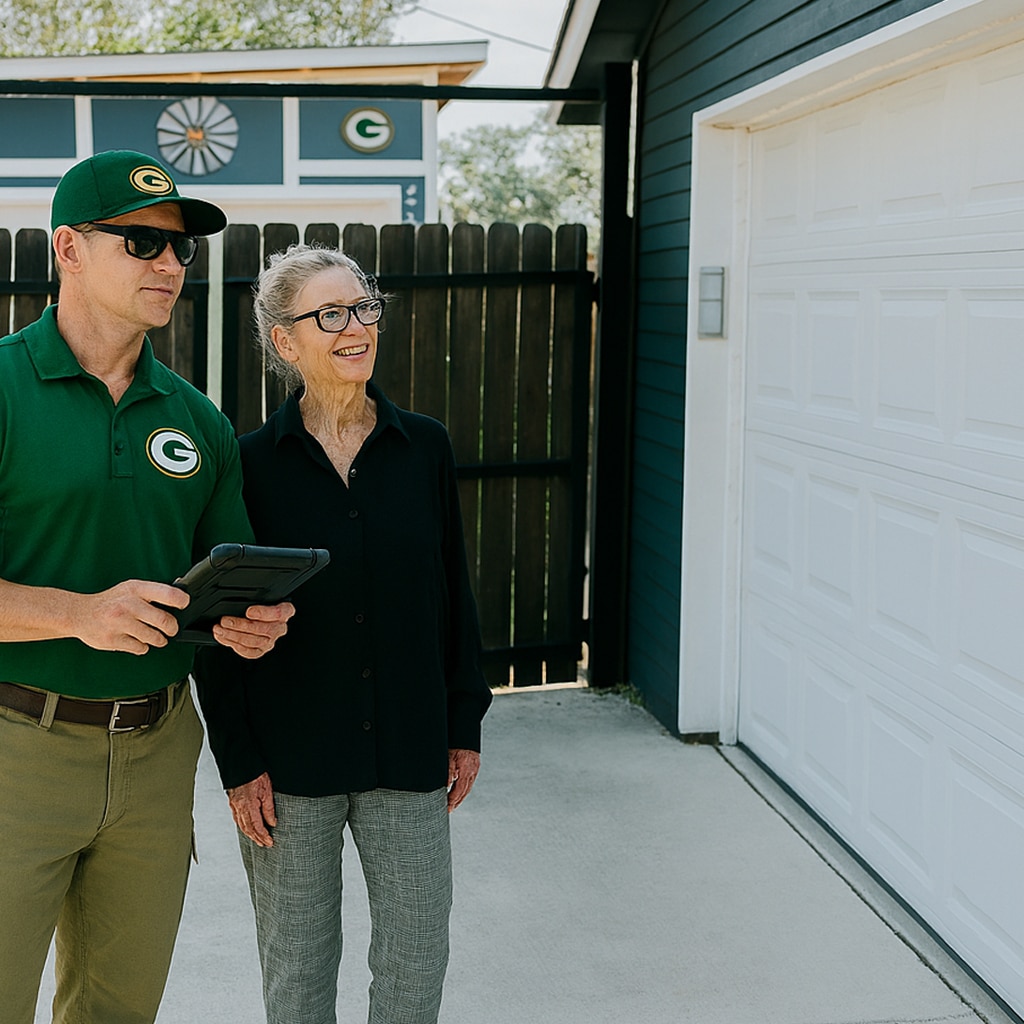
Some repairs are best left to professionals who do this work daily. I always tell homeowners to know their limits when it comes to safety. Working with springs and heavy doors poses real risks to your health. A garage door motor replacement involves electrical connections and precise calibration work, too.
Professional technicians have the right tools and training for the job. They diagnose problems accurately the first time around. This saves you from buying parts you don’t actually need at the store. Plus, most companies offer warranties on their labor and parts. When your garage door motor fails completely, expert help gets you running safely again. The peace of mind alone is worth the service call in my experience.
How to Shop for the Right Brand and Product
Choosing a replacement motor feels overwhelming with so many options available today. Start by checking your current unit’s horsepower rating on the label. Match it to your door’s weight for the best performance possible. Heavier doors need stronger motors to operate properly.
Here are key factors to consider when you shop:
- Horsepower that matches your door size and weight
- Belt drive versus chain drive operation style
- Smart home compatibility features you want
- Warranty length and what it covers
- Noise level ratings for quiet operation
Research different brands before making any final decisions. Read customer reviews for real-world feedback from actual users. A quality product from a trusted brand lasts longer and performs better overall. Don’t just grab the cheapest option sitting on the shelf.
What Affects the Cost to Replace Your Motor
Several factors determine what you’ll pay for a new garage door motor installation. The motor type plays a big role in the final price. Belt-drive models cost more upfront but run much quieter during operation. Chain-drive units are more affordable but louder when running daily.
Installation complexity matters too for the total bill. Older homes sometimes need electrical updates to support modern units properly. This adds to the total cost of the project significantly. Labor rates vary by location across the country as well. Urban areas typically charge more than rural service providers do. Getting multiple quotes helps you find fair pricing. Most companies provide free estimates happily. Don’t hesitate to ask questions about what’s included.
Simple Tips to Extend Your Motor's Life
Regular maintenance keeps your garage door motor running smoothly for many years. I recommend monthly visual inspections of the entire system. Look for loose hardware, worn cables, and damaged weatherstripping around the frame. Tighten bolts and screws as needed during these quick checks.
Test the safety reversal feature every single month without fail. Place a board under the door and close it using your remote. The door should reverse immediately upon contact with the obstruction. If it doesn’t reverse, adjust the force settings right away for safety. Lubricate all moving parts every six months with proper lubricant. Schedule professional tune-ups annually for thorough inspections. These small efforts prevent costly breakdowns later.
Keep Your Garage Door Motor Running Strong
Troubleshooting your garage door motor doesn’t have to feel stressful or overwhelming. Most problems have straightforward solutions you can handle yourself at home. Check power sources first before anything else. Inspect connections and settings next in your diagnosis. Listen carefully for unusual sounds that signal internal wear.
Know when to call for professional help, though. Complex repairs involving springs or electrical work require expert hands for safety. Taking good care of your garage door motor means fewer surprises and longer equipment life overall. Use these tips to stay ahead of problems before they strand you. Your daily routine depends on that door working reliably every time. With regular attention and care, your system will serve you well for many years ahead.
Q: How do I know if my garage door motor is dying?
A: Watch for warning signs like slow operation or intermittent failures. If your garage door motor struggles to lift the door or makes new grinding sounds, it’s wearing out. The frequent need to reset the system also indicates problems. Motors typically last 10-15 years with proper maintenance. When repairs become frequent, replacement usually makes more financial sense than continued fixes.
Q: Can I replace my garage door motor myself?
A: Technically, yes, but I recommend caution with this project. You need basic electrical knowledge and mechanical skills to do it safely. The motor itself isn’t too complicated to install with instructions. However, adjusting springs and calibrating safety features requires experence. One wrong move with springs can cause serious injury. Most homeowners find professional installation worth the added cost.
Q: Why does my garage door motor work sometimes but not others?
A: Intermittent operation usually points to electrical issues somewhere in the system. Loose wiring connections cause inconsistent power delivery to the motor. Temperature changes can also affect older units significantly. Check all wire connections at the motor and wall switch. Remote signal interference from nearby devices causes problems, too. If the basics check out fine, the circuit board might be failing inside.