
Picking the right garage door roller seems simple until you start shopping. Then you see steel, nylon, different bearing counts, and various stem lengths. It gets confusing fast. We help homeowners make this decision every week. The truth is, both materials work well in different situations. Your choice depends on noise tolerance, budget, and how long you want them to last. Let us break down everything you need to know so you can make a confident decision.
Understanding the Types of Garage Door Rollers Available
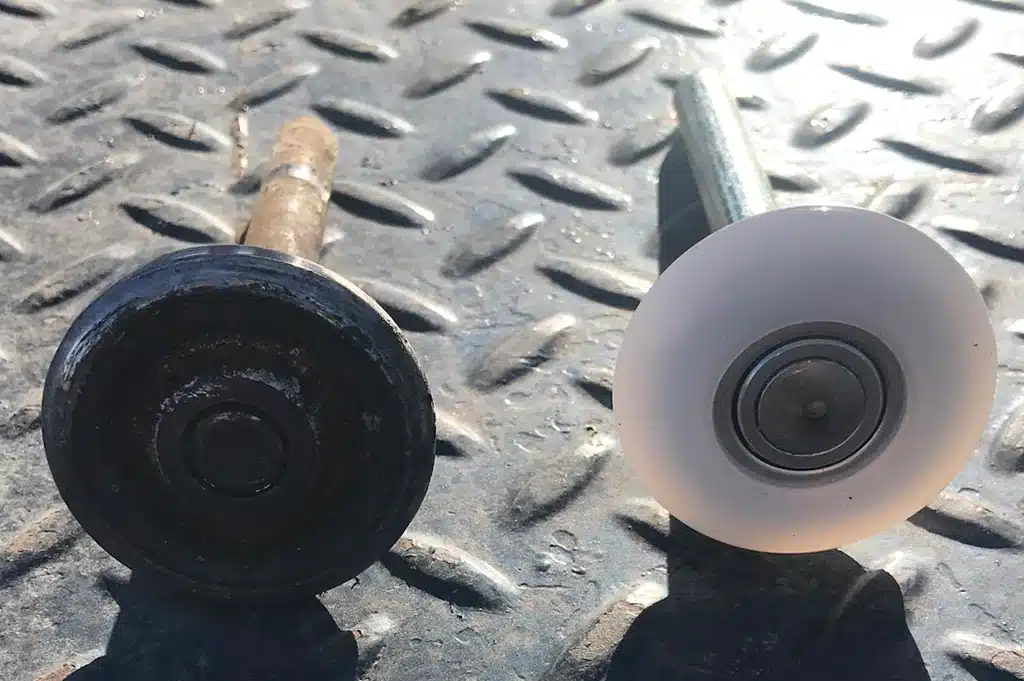
When we inspect garage doors, we see all kinds of rollers installed. The two main types are steel and nylon. Steel rollers have been around forever. They feature metal wheels that roll along your tracks. Nylon rollers use a plastic polymer material instead. Both come with or without bearings inside.
You will also notice different stem sizes when shopping. The stem is the metal shaft that connects the roller to your door. Standard stems work for most residential doors. Some situations call for longer options. We always measure before recommending a replacement. Getting the wrong size causes major headaches during installation. Trust us, we have seen it happen many times.
Why Your Garage Door Roller Choice Matters for Garage Doors
Your garage door roller affects more than just movement. It impacts noise levels throughout your home. It determines how much maintenance you will do over the years. A quality roller also protects your tracks from premature wear. We have replaced countless damaged tracks because of worn out rollers.
Think about how often you open your garage. Most families use it multiple times daily. That adds up to thousands of cycles per year. Choosing the right roller ensures smooth operation for years. It also keeps your system running safely. We have seen doors jump off tracks because of failed rollers. That is a dangerous situation nobody wants.
The Role of Ball Bearings in Smooth Operation
Ball bearings make a huge difference in roller performance. They reduce friction between the wheel and stem. More bearings generally mean smoother, quieter operation. Basic rollers have no bearings at all. Mid-range options feature around six to ten bearings. Premium rollers can have thirteen or more.
We always recommend sealed bearings for residential installations. They keep dirt and debris out. This extends the lifespan of your garage door roller significantly. Open bearings require more frequent lubrication. Sealed versions are essentially maintenance free. The price difference is usually worth it for the convenience alone.
Steel Garage Door Rollers: Long-Lasting Durability
Steel rollers handle heavy loads without breaking a sweat. They work great for oversized or insulated garage doors. Commercial properties often use them exclusively. The metal construction resists wear from constant use. We install steel options when durability is the top priority.
However, steel does have drawbacks. These rollers tend to be noisier during operation. The metal on metal contact creates vibration and sound. You will hear your door moving, especially in attached garages. Regular lubrication helps reduce this noise somewhat. Still, they never become whisper quiet like nylon alternatives
When to Choose a Long Stem Option

Long stem rollers solve specific installation challenges. Some garage door tracks sit further from the door panels. Standard stems cannot reach properly in these setups. We encounter this often with certain door brands and custom installations. Measuring your existing rollers tells you exactly what you need.
Replacing a standard stem with a long stem causes problems. The roller will not seat correctly in the track. Your door may bind or move unevenly. We always match the original specifications during replacement. This simple step prevents callbacks and frustrated homeowners. Taking five minutes to measure saves hours of troubleshooting later.
Steel Garage Doors and Quality Materials for Protection
The door itself matters more than you might think. Steel garage doors offer serious strength compared to older wooden models. They resist forced entry much better. Plus, they last longer and require less maintenance over time.
When clients ask me about upgrades, I always discuss material options first. A quality door with a solid core makes all the difference. Look for models with reinforced struts and heavy-duty hinges. These features add to your garage door security without changing how everything looks. Thickness matters too – aim for at least 24-gauge steel for residential applications.
Nylon Garage Door Roller Benefits for Quieter Homes
Nylon rollers have become our go-to recommendation for most homes. They operate significantly quieter than steel alternatives. The plastic material absorbs vibration instead of transmitting it. Homeowners with bedrooms above their garage especially appreciate this feature. We have had clients amazed at the difference after upgrading.
These rollers also resist corrosion naturally. Steel can rust over time, especially in humid climates. Nylon handles moisture without degrading. They require less maintenance overall. You skip the regular lubrication routine that steel demands. For busy families, this convenience matters more than you might think.
Premium Nylon Options Worth Considering
Not all nylon rollers are created equal. Budget options use lower quality materials. They wear faster and may develop flat spots. Premium nylon rollers use reinforced polymers designed for heavy use. They cost more upfront but deliver better value long term.
Look for these features when shopping:
- Sealed ball bearings for smooth operation
- Reinforced nylon wheel construction
- Zinc plated steel stems for corrosion resistance
- Thirteen bearing design for maximum quietness
- Manufacturer warranty of at least five years
We stock these premium options because they rarely fail. Cheap rollers often need replacement within two years. Quality nylon lasts a decade or longer with zero maintenance. The math works out in favor of spending a bit more initially.
How to Choose the Right Garage Door Roller for Your Needs
Making your final decision comes down to priorities. Consider noise sensitivity first. If your garage connects to living spaces, nylon wins easily. The quiet operation makes early morning departures less disruptive. Steel works fine for detached garages where noise travels less.
Next, think about your door weight and usage frequency. Heavy doors benefit from steel construction or premium nylon with extra bearings. Light residential doors work well with standard nylon options. Finally, consider your maintenance preferences. Steel needs regular attention while nylon handles neglect gracefully. Either choice beats running worn out rollers until they fail completely.
Q: What is the biggest security risk when leaving your garage door unprotected?
A: We recommend at least ten bearings for residential doors. This count provides smooth, quiet operation without excessive cost. Premium thirteen bearing rollers offer the best performance. Budget rollers with fewer bearings wear faster and run louder. No bearing rollers should only serve as temporary solutions
Q: Will nylon rollers work on heavy insulated garage doors?
A: Quality nylon rollers handle most insulated residential doors without problems. Look for reinforced nylon construction with sealed bearings. Extremely heavy doors over 400 pounds may benefit from steel. We assess each situation individually during service calls. Your door weight and usage pattern guide our recommendations.
Q: How do I know what stem length my garage door needs?
A: Measure your existing roller from the wheel center to the stem end. Standard stems measure around four inches. Long stem versions run about seven inches. Some specialty doors require unique sizes. Bringing your old roller to the hardware store ensures a perfect match.
Q: Do I need to lubricate nylon garage door rollers?
A: Nylon rollers with sealed bearings require minimal lubrication. A light application of garage door lubricant once yearly keeps them running smoothly. Avoid using WD-40 or grease, which can attract dirt. Silicone-based sprays work best for nylon components. Steel rollers need more frequent lubrication, roughly every three months.